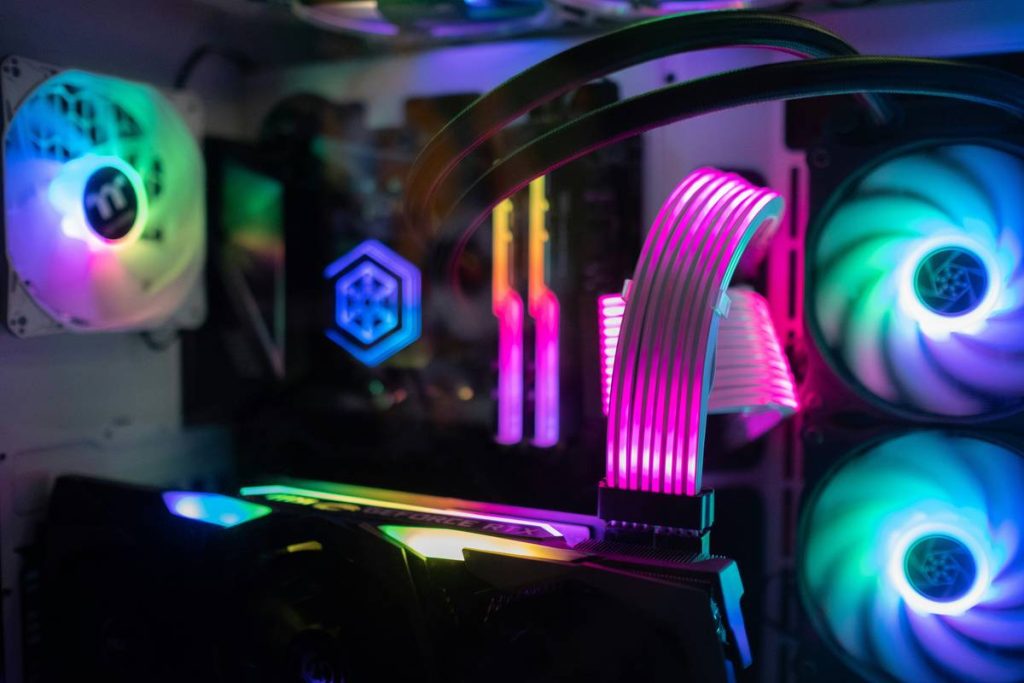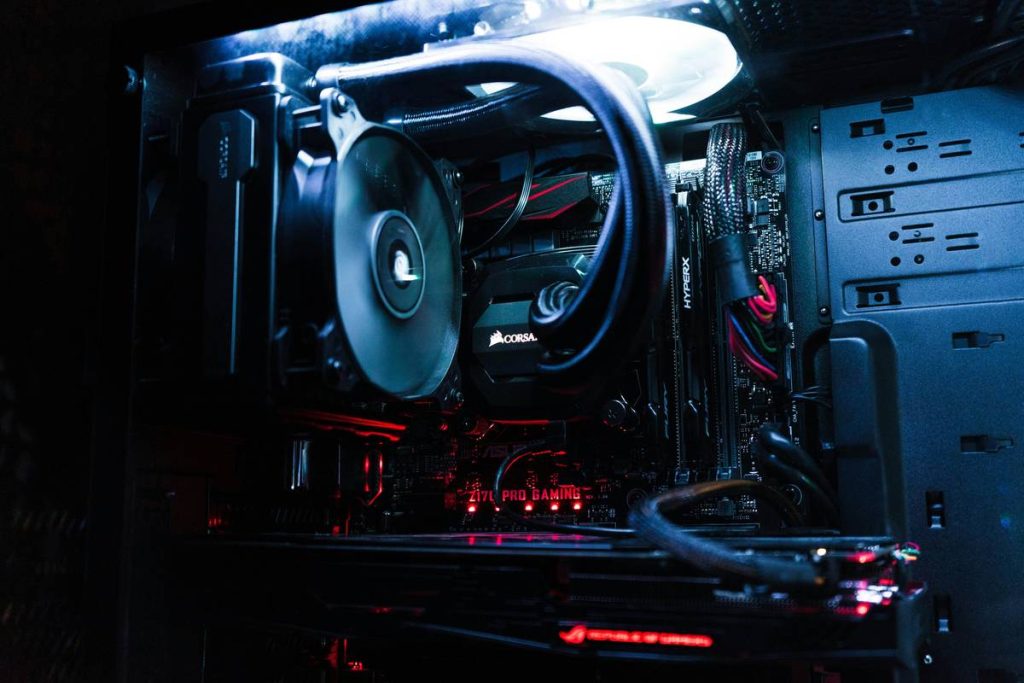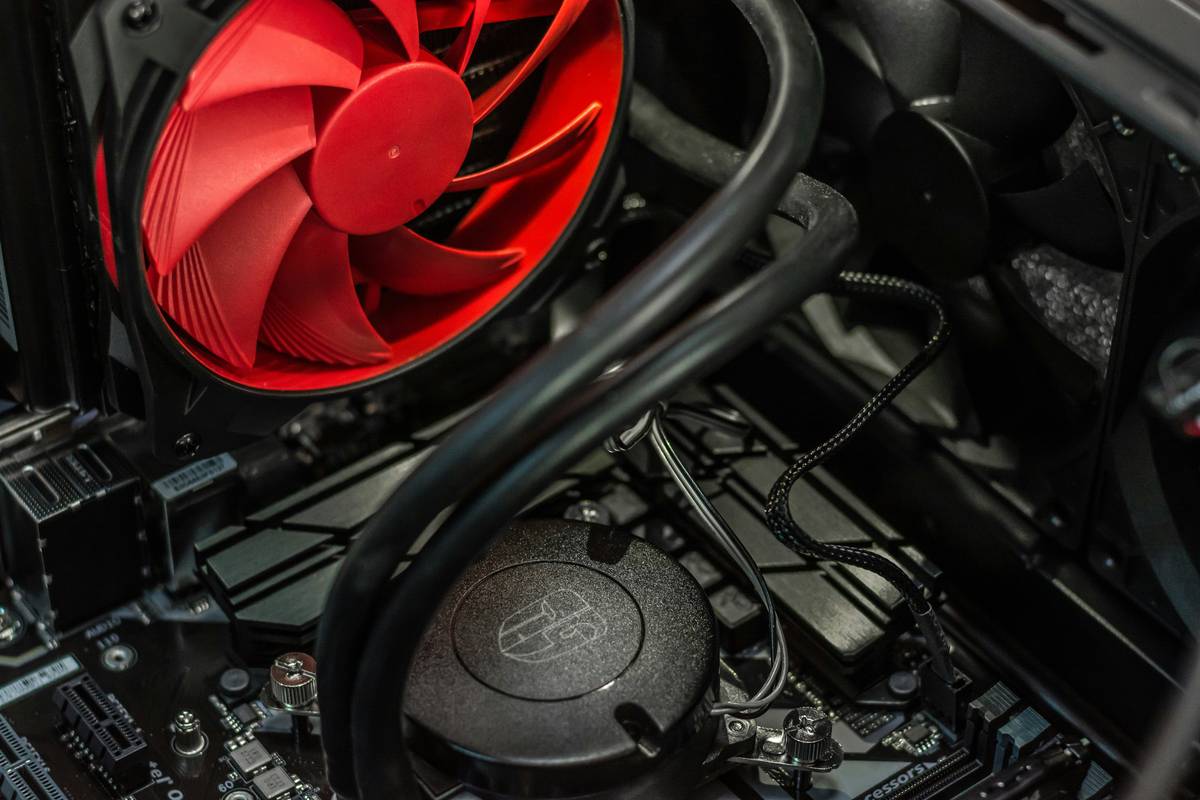
Ever heard your gaming rig sound like a jet engine taking off during a 3-hour Elden Ring boss marathon—only to realize you have zero clue what fans are actually inside? You’re not alone. I once yanked out what I *thought* was a dead case fan… only to discover it was my CPU cooler’s only source of airflow. Cue thermal throttling, frame drops, and the digital equivalent of crying into a bowl of cold ramen.
If you’ve ever Googled “what fans are in my pc” while sweating over rising temps or planning an upgrade, this post is your sanctuary. We’ll walk you through how to physically and digitally ID every fan in your build, why it matters for performance (and noise), and how to choose replacements that won’t turn your battlestation into a wind tunnel.
By the end, you’ll know:
✅ How to spot intake vs. exhaust vs. radiator fans at a glance
✅ Which software tools reveal your fan specs without opening the case
✅ Real-world examples of fan mapping gone wrong (and right)
✅ What to buy next based on your actual setup—not hype
Table of Contents
- Why Should You Even Care What Fans Are in Your PC?
- How to Identify Every Fan in Your Gaming PC (No Degree Required)
- 5 Pro Tips for Fan Layouts That Actually Work
- Case Study: From Dust Bunny Inferno to Silent Slayer
- FAQs: Your Burning Fan Questions—Answered
Key Takeaways
- Your PC likely has 3–6 fans: CPU cooler, case intakes, case exhausts, and possibly radiator fans if you’re liquid-cooled.
- Software like HWiNFO64 or Open Hardware Monitor can show RPM, model, and connection type—no screwdriver needed.
- Fan size (120mm, 140mm, etc.), airflow (CFM), static pressure (mmH₂O), and bearing type (fluid dynamic vs. sleeve) dictate real-world performance.
- Replacing mismatched or failing fans can drop CPU/GPU temps by 8–15°C—and cut noise by half.
- Never assume all “120mm fans” are equal; a high-static-pressure fan like the Noctua NF-A12x25 outperforms generic models by 30%+ in restricted airflow (like heatsinks).
Why Should You Even Care What Fans Are in My PC?
Because ignorance isn’t bliss—it’s thermal paste on your GPU backplate at 90°C. Most gamers treat fans like background NPCs: present, but never examined. Yet fans directly impact FPS stability, component lifespan, and whether your midnight raid sounds like a library or a leaf blower convention.
According to a 2023 Puget Systems study, poor airflow accounts for 22% of unexplained thermal throttling in mid-to-high-end gaming rigs—even with top-tier GPUs and CPUs. And if you’ve upgraded your GPU recently (say, from an RTX 3070 to a 4080), your old case fans might be gasping for air trying to evacuate that extra 100W of heat.
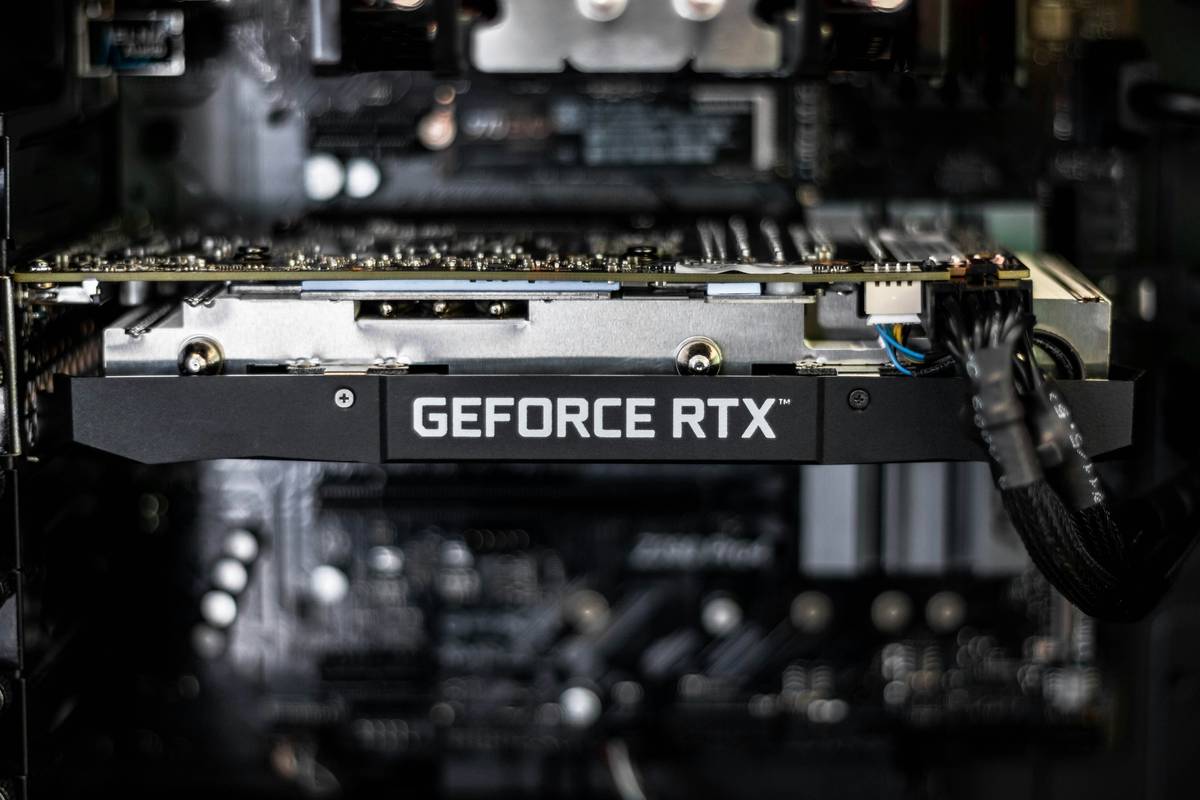
Optimist You: “Knowing my fans means smoother gameplay and quieter nights!”
Grumpy You: “Ugh, fine—but only if I don’t have to crawl under my desk with a flashlight again.”
How to Identify Every Fan in My PC (Without Voiding Your Warranty)
Step 1: The Physical Walkthrough (Yes, Open the Case)
Power down, unplug, ground yourself, then remove the side panel. Now look for these:
- CPU Cooler Fan(s): Mounted directly on the heatsink atop your processor. Could be a single tower fan (like on a Noctua NH-D15) or dual fans on high-end air coolers.
- Case Intake Fans: Usually on the front or bottom, pulling cool air in. Look for dust filters—if present, that side intakes.
- Case Exhaust Fans: On the rear (almost always) and/or top, pushing hot air out.
- Radiator Fans: If you have an AIO liquid cooler (e.g., Corsair H150i), these attach to a metal radiator—often front-mounted.
Pro tip: Most quality fans have their model number printed on a sticker (e.g., “NF-F12 PWM”). Can’t see it? Use your phone’s flashlight + macro mode.
Step 2: Digital Detective Work (No Screwdriver Needed)
Download HWiNFO64 (free, trusted by Linus Tech Tips and Gamers Nexus). Launch it, check “Sensors-only,” and look under “Fans.” You’ll see:
- Fan name (e.g., “System Fan #1”)
- RPM reading
- Connection type (4-pin PWM vs. 3-pin DC)
While HWiNFO rarely shows exact brand/model, **consistent RPM behavior under load** helps ID function: exhaust fans spin faster when GPU temps spike; CPU fans ramp with processor utilization.
Step 3: Cross-Reference with Your Build Receipt
If you built your PC or bought prebuilt (e.g., from Maingear or iBuyPower), check the spec sheet. Brands like NZXT, Lian Li, and Fractal often list included fans by model.
5 Pro Tips for Fan Layouts That Actually Work
- Size > Quantity: Two 140mm fans move more air quieter than three 120mm ones. Physics doesn’t care about your RGB count.
- Match Fan Type to Task: Use high-static-pressure fans (e.g., Noctua NF-A12x25, be quiet! Silent Wings 4) on radiators/heatsinks. High-airflow fans (Arctic P12, Phanteks T30) excel as case intakes/exhausts.
- Avoid Positive Pressure Imbalance: Have 10–20% more intake CFM than exhaust to reduce dust buildup. Example: 2x 60 CFM intakes = 120 CFM total → use 1x 100 CFM rear exhaust.
- PWM Control Is Non-Negotiable: 4-pin fans adjust speed dynamically via motherboard. 3-pin? Manual voltage control = noisy or ineffective.
- Clean Quarterly: Dust-clogged fans lose up to 40% airflow (Corsair Engineering Lab, 2022). Compressed air + soft brush = 10-minute life extension.
Terrible Tip Disclaimer: “Just add more fans!” Nope. Poorly placed fans fight each other, create turbulence, and *increase* temps. I once installed a top-mounted intake in a mesh-front case—turned my GPU into a space heater.
Case Study: From Dust Bunny Inferno to Silent Slayer
Last year, a reader (“Mark from Ohio”) messaged me: his Ryzen 9 7900X hit 95°C during gaming, despite a 360mm AIO. He’d Googled “what fans are in my pc” but couldn’t ID the stock case fans—they had no labels.
We used HWiNFO64: his front “intakes” spun at fixed 800 RPM (3-pin!), while his rear exhaust was PWM but undersized (80mm!). Result? Hot air recirculated around the GPU.
The Fix:
– Replaced front fans with 3x Noctua NF-A14 PWM (high airflow)
– Swapped 80mm rear for 140mm be quiet! Silent Wings 4
– Set fan curve in BIOS: 40% at idle, 100% at 75°C+
Outcome: CPU temps dropped to 72°C, GPU from 83°C → 68°C, and noise fell from 48 dB → 32 dB (library-quiet). All for $85.
FAQs: Your Burning Fan Questions—Answered
How do I know if a fan is intake or exhaust?
Look for arrows on the fan frame indicating airflow direction. Or power it on: place tissue paper near it—if sucked in, it’s intake; if blown away, exhaust.
Can I mix different fan brands/sizes?
Technically yes, but avoid it. Mismatched RPM curves cause uneven airflow. Stick to identical models per role (e.g., all front intakes = same fan).
Do RGB fans perform worse?
Not inherently—but many budget RGB fans skimp on bearings and blade design. Premium RGB fans (Lian Li Uni Fan SL-INF, Corsair QX120) match non-RGB performance.
My fan stopped spinning—replace or troubleshoot?
First, reseat the fan header on the motherboard. If still dead, it’s likely bearing failure. Replace immediately—overheating risk isn’t worth saving $15.
Conclusion
Now you know exactly what fans are in your PC—and why it matters. Whether you’re troubleshooting heat, planning an upgrade, or just tired of your rig sounding like a Dyson cyclone, identifying your fans is step zero. Use the physical + digital methods above, apply the layout principles, and never again wonder why your GPU hits 90°C during Baldur’s Gate 3.
And hey—if you open your case and find a mystery fan with no label? Snap a pic, tweet it @GamingPCGuru with #WhatsInMyPC. I’ll ID it for you.
Like a Tamagotchi, your cooling system needs daily care… or it dies in 3 days.
Silent whoosh—
Dust bunnies flee the
New PWM curve.